
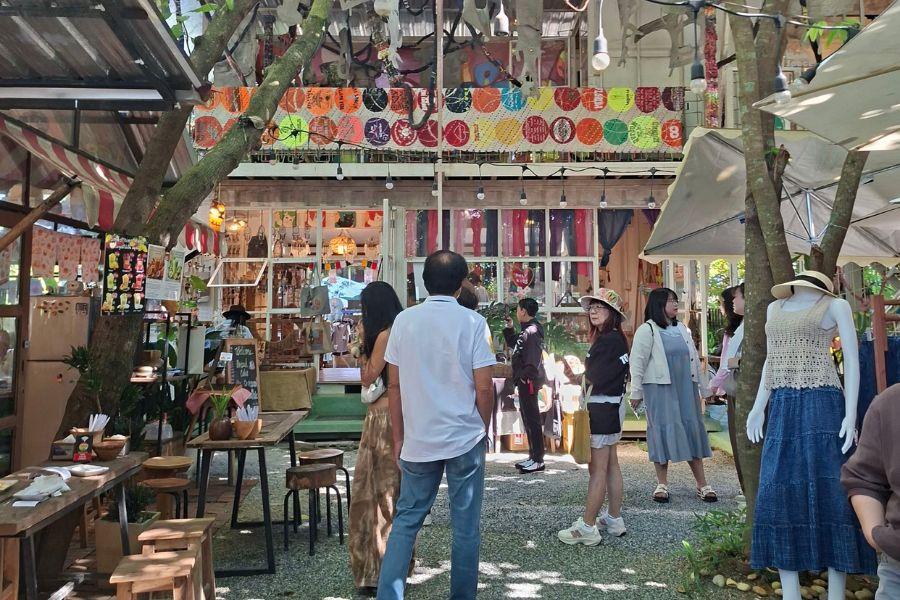

A relaxing trip to Pai can quickly become stressful without proper planning. Learn the most common mistakes first-time visitors make, from underestimating the mountain road to overpacking itineraries and ignoring practical travel preparation.
Pai has become one of Northern Thailand’s most popular destinations for first-time visitors, known for its mountain scenery, relaxed cafés, hot springs, and backpacker atmosphere. However, many travelers arrive unprepared for the realities of the journey and the town itself.
While Pai is often marketed as an easygoing escape from Chiang Mai, the experience can quickly become stressful if you underestimate the road conditions, over-plan your schedule, or overlook practical details.
This guide explains the most common mistakes travelers make when visiting Pai — and how to avoid them for a smoother, safer, and more enjoyable trip.
Underestimating the Chiang Mai to Pai Drive
The most common mistake is assuming the journey to Pai is simple and effortless.
The road between Chiang Mai and Pai is famous for its 762 curves, steep mountain sections, and winding terrain. Although the distance is only around 130 km, the trip usually takes:
| Transport Method | Typical Travel Time | Estimated Cost |
|---|---|---|
| Shared minivan | 3–4 hours | THB 150–250 |
| Private taxi | 3–4 hours | THB 2,000–3,500 |
| Motorbike or scooter | 4–6 hours | Fuel + rental costs |
Many travelers experience motion sickness during the journey, especially in shared minivans that move quickly through the curves. Arriving in Pai exhausted or nauseous can affect the first day of the trip.
How to Avoid This Mistake
- Take motion sickness medication before departure if you are sensitive to winding roads.
- Avoid heavy meals immediately before traveling.
- Choose a morning departure rather than traveling after little sleep.
- Allow time to rest after arrival instead of scheduling activities immediately.
- Consider private transport if you are prone to severe motion sickness.
Renting a Scooter Without Enough Experience
Pai is often associated with scooter travel, but many first-time visitors underestimate the difficulty of riding in mountainous conditions.
The roads around Pai include:
- Steep hills
- Sharp curves
- Loose gravel in some areas
- Occasional wet or slippery surfaces during rainy season
Inexperienced riders frequently have accidents, especially when attempting longer scenic routes outside town.
Police checkpoints are also common, and riders without the correct license may receive fines.
Safer Alternatives
If you are not fully confident riding a scooter in mountain conditions, consider:
- Hiring a local driver
- Joining a small day tour
- Using taxis or songthaews for specific attractions
- Renting bicycles for short distances inside town
For those who still plan to ride:
- Always wear a helmet
- Avoid riding at night
- Check the brakes and tires before renting
- Carry an International Driving Permit if required
Trying to See Too Much Too Quickly
Pai is not a destination that rewards rushed sightseeing.
Many travelers make the mistake of trying to visit every café, waterfall, canyon, hot spring, and viewpoint within one or two days. The result is often a tiring schedule that removes the relaxed atmosphere Pai is known for.
Pai generally works best as a slow-travel destination.
A Better Approach
Instead of creating a packed itinerary:
- Choose only a few major activities each day
- Leave time for cafés, sunsets, and walking around town
- Stay at least 2–3 nights if possible
- Expect slower transportation and more relaxed pacing than larger Thai cities
Travelers who enjoy Pai most often treat it as a place to slow down rather than complete a checklist.
Waiting Too Long to Book Accommodation
Pai may feel like a small mountain town, but accommodation fills quickly during busy travel periods.
High season generally includes:
- November to February
- New Year holidays
- Major Thai holiday weekends
During these periods:
- Popular guesthouses can sell out
- Last-minute rooms become more expensive
- Transport seats may become limited
Booking Tips
For high season travel:
- Reserve accommodation several days or weeks ahead
- Book transport early during holiday periods
- Double-check arrival times, especially for evening arrivals
Budget travelers should plan even earlier because cheaper rooms disappear first.
Ignoring Basic Practical Preparation
Pai is more relaxed than many major Thai tourist destinations, but that also means convenience can be limited.
Some travelers assume services will always be available late at night or within walking distance, which is not always true.
Common practical mistakes include:
- Not carrying enough cash
- Assuming all restaurants stay open late
- Forgetting basic medical supplies
- Expecting easy taxi availability
- Not bringing rain protection during wet season
Useful Essentials to Carry
A small day bag with these items can make the trip much easier:
- Toilet paper or tissues
- Reusable water bottle
- Basic medicine
- Mosquito repellent
- Lightweight rain jacket
- Offline maps
ATMs are available in Pai, but carrying backup cash is still recommended for smaller businesses and rural areas.
Choosing Ethical Experiences Carefully
One area travelers should research carefully involves visits to so-called “Longneck” or Karen village tours.
Some tours are criticized for turning local communities into tourist attractions without meaningful cultural understanding or fair economic benefit. In some cases, the villages shown to tourists may not reflect normal daily life.
Responsible Travel Tips
Before booking:
- Research how the tour operates
- Choose operators focused on cultural education and community support
- Avoid experiences that feel exploitative or staged
- Respect photography rules and local customs
Ethical travel decisions help create more respectful tourism experiences for both visitors and local communities.
Expecting Pai to Function Like a Major City
Pai is intentionally slower and less developed than destinations like Bangkok or Chiang Mai.
Internet speeds can vary, transport schedules may not always run perfectly on time, and services can be more limited outside central areas.
Travelers who arrive expecting luxury convenience everywhere sometimes leave disappointed.
The Best Mindset for Visiting Pai
Pai is best enjoyed when approached as:
- A laid-back mountain town
- A place to slow down
- A destination focused on scenery and atmosphere rather than efficiency
Flexibility and patience usually lead to a far more enjoyable experience.
Final Thoughts
Most mistakes travelers make in Pai come from unrealistic expectations rather than major travel problems. The mountain roads, slower pace, and relaxed infrastructure are all part of the destination’s character.
Visitors who plan carefully, travel slowly, and stay flexible generally enjoy Pai far more than those attempting to rush through it.
With realistic expectations and some practical preparation, Pai can become one of the most memorable destinations in Northern Thailand.
FAQs About Common Mistakes in Pai
1. Is the road from Chiang Mai to Pai dangerous?
The road is generally safe when traveled carefully, but it is extremely winding with 762 curves. Motion sickness and fatigue are common issues for visitors.
2. How long should first-time visitors stay in Pai?
Most travelers find 2–4 nights ideal. Shorter visits often feel rushed because of the long journey from Chiang Mai.
3. Is Pai suitable for beginner scooter riders?
Pai is not ideal for inexperienced riders due to mountain roads, steep curves, and changing road conditions.
4. What is the safest way to travel from Chiang Mai to Pai?
Shared minivans and private cars are usually the safest options for most travelers.
5. When should accommodation be booked in advance?
Booking early is strongly recommended during high season from November to February and around holidays.
6. How much cash should travelers carry in Pai?
Many businesses accept cash only, especially outside the center. Carrying several thousand THB is recommended for daily expenses and emergencies.
7. Are taxis easy to find in Pai?
Taxi availability is limited compared to larger Thai cities, especially late at night or outside town.
8. What should travelers pack for Pai?
Essentials include mosquito repellent, basic medicine, rain protection, tissues, sunscreen, and comfortable clothing for changing temperatures.
9. Is Pai crowded all year?
No. Pai is busiest during the cool season and holidays. Rainy season is quieter but road conditions may be more difficult.
10. What type of traveler enjoys Pai most?
Travelers who prefer slow travel, nature, cafés, relaxed schedules, and mountain scenery usually enjoy Pai the most.
For a Complete Travel Guide
For more detailed information on transportation options, booking tips, itinerary suggestions, and everything you need to know about planning your trip, visit our full guide:
