
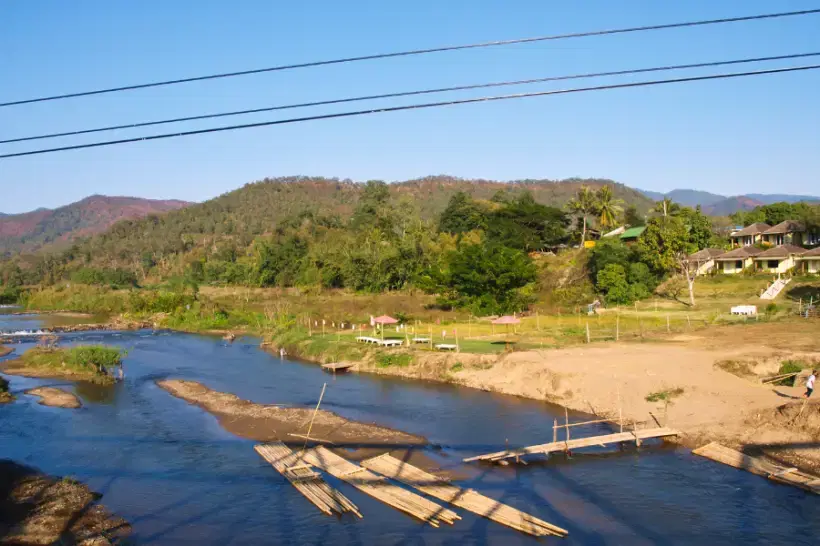

Explore hill tribe villages near Pai responsibly with this practical guide covering ethical trekking, homestays, cultural etiquette, seasonal travel advice, and ways travelers can support local communities through sustainable tourism experiences.
Northern Thailand’s mountain communities offer some of the country’s most meaningful cultural travel experiences. Around Pai, travelers can visit Karen, Lahu, Lisu, and Hmong villages through guided treks, homestays, and community-based tourism programs.
For first-time visitors, responsible tourism plays an important role in protecting local culture and supporting rural livelihoods. Tourism income can help communities maintain traditional crafts, improve local infrastructure, and create employment opportunities. However, poorly managed tourism can also place pressure on village life and reduce cultural traditions to tourist attractions.
This guide explains how to visit hill tribe villages near Pai respectfully while supporting sustainable and community-focused tourism.
Understanding Hill Tribe Communities Near Pai
The mountains surrounding Pai are home to several ethnic minority groups, each with unique languages, traditions, clothing styles, and farming practices. Visitors commonly encounter Karen, Lahu, Lisu, and Hmong communities during trekking routes in Mae Hong Son province.
Many villages continue to rely on agriculture, handicrafts, and small-scale tourism. Guided treks, local homestays, and craft workshops now provide additional income for families living in remote areas. When tourism is managed responsibly, these experiences can help preserve traditional knowledge while benefiting local communities directly.
What Responsible Tourism Means
Responsible tourism focuses on creating positive benefits for local residents while minimizing environmental and cultural harm. In the Pai region, this means approaching village visits with respect and understanding rather than treating communities as tourist attractions.
Travelers can contribute positively by:
- Hiring local guides
- Supporting community-run homestays
- Buying handmade products directly from artisans
- Respecting local customs and traditions
- Reducing environmental impact during treks
Responsible travel also encourages genuine cultural exchange, allowing visitors to learn about village life in a more meaningful way.
Types of Responsible Experiences Near Pai
Day treks are one of the most common ways to visit hill tribe villages near Pai. These guided hikes often include forest trails, rice-field walks, and visits to nearby communities. A typical full-day trek usually costs between THB 1,200 and THB 1,800 depending on the route and inclusions.
For travelers seeking a deeper experience, overnight homestays offer the opportunity to stay with local families. Guests may participate in cooking, farming activities, or evening cultural exchanges while learning about daily village life. Most overnight experiences range from THB 1,500 to THB 3,500 per person, including meals, accommodation, and guide services.
Some communities also organize handicraft workshops where visitors can learn weaving, embroidery, bamboo craft techniques, or traditional cooking methods. Purchasing handmade products directly from local artisans helps support village economies and preserve traditional skills.
Choosing an Ethical Trekking Experience
Not all trekking tours operate in a responsible way. Ethical operators generally focus on sustainability, fair compensation, and cultural respect rather than entertainment-focused tourism.
Before booking a tour, look for operators that:
- Employ guides from local communities
- Keep trekking groups small
- Explain cultural etiquette before visits
- Support community-based tourism projects
- Avoid staged cultural performances
- Follow environmentally responsible trekking practices
Tours that prioritize education and respectful interaction usually provide a more rewarding experience for both visitors and local residents.
Cultural Etiquette for Village Visits
Respectful behavior is essential when visiting hill tribe communities near Pai.
Photography should always be approached carefully. Travelers should ask permission before taking photos of people, homes, ceremonies, or private spaces. While many residents are welcoming, constant photography can sometimes feel intrusive.
Modest clothing is also recommended. Although Pai itself has a relaxed atmosphere, villages tend to be more traditional. Comfortable clothing that covers shoulders and knees is generally appropriate for trekking and community visits.
Visitors should also remember that these villages are residential communities rather than tourist attractions. Entering homes without invitation, giving money directly to children, or treating local traditions as performances should be avoided.
Listening to local guides and learning about village customs often leads to more respectful and meaningful cultural interactions.
Environmental Responsibility During Treks
The forests and mountain areas around Pai are environmentally sensitive. Responsible trekking helps reduce damage to local ecosystems and farmland.
Travelers are encouraged to:
- Carry reusable water bottles
- Avoid leaving litter
- Stay on established trails
- Reduce single-use plastic waste
- Respect farmland and wildlife areas
During the dry season, northern Thailand can experience smoke from agricultural burning. Travelers planning outdoor trekking activities should check local air quality conditions before visiting.
Best Time to Visit Hill Tribe Villages Near Pai
The cool season from November to February is generally considered the best time for trekking near Pai. Temperatures are more comfortable, trails are easier to access, and conditions are ideal for overnight stays.
March and April are significantly hotter and may be affected by seasonal smoke. The rainy season from May to October brings greener landscapes and fewer tourists, although trekking trails can become muddy and slippery.
Typical Costs for Visitors
Travel costs vary depending on trek length, accommodation type, and group size.
Estimated prices include:
- Half-day trek: THB 800–THB 1,200
- Full-day trek: THB 1,200–THB 1,800
- Overnight homestay experience: THB 1,500–THB 3,500
- Handmade crafts and textiles: THB 100–THB 1,000+
Supporting locally owned businesses and village-based tourism services helps ensure tourism income stays within the community.
Final Thoughts
Visiting hill tribe villages near Pai can become one of the most memorable cultural experiences in Northern Thailand when approached respectfully. Responsible tourism allows travelers to learn about local traditions while helping communities benefit directly from tourism income.
Choosing ethical trekking experiences, supporting local artisans, and respecting village customs all contribute to more sustainable and meaningful travel in the Pai region.
FAQs
1. Are hill tribe village tours near Pai ethical?
They can be ethical when operated responsibly. Look for tours that support local communities, employ local guides, and avoid exploitative tourism practices.
2. Which hill tribe communities live near Pai?
Karen, Lahu, Lisu, and Hmong communities are among the most common ethnic groups found in the mountains surrounding Pai.
3. How much does a hill tribe trek near Pai cost?
Most day treks cost between THB 800 and THB 1,800, while overnight homestays usually range from THB 1,500 to THB 3,500.
4. Is it acceptable to take photos in villages?
Yes, but travelers should always ask permission before photographing people or private spaces.
5. Are overnight homestays safe?
Community-based homestays are generally safe and popular among travelers looking for cultural experiences.
6. What should visitors wear?
Modest, comfortable clothing suitable for trekking is recommended. Covered shoulders and practical walking shoes are advisable.
7. When is the best season for trekking near Pai?
November to February is usually the best period because of cooler temperatures and dry weather conditions.
8. Can beginners join trekking tours?
Yes. Many trekking routes around Pai are suitable for first-time visitors and travelers with moderate fitness levels.
9. Should travelers bring cash?
Yes. Many remote villages do not accept card payments, so cash is useful for handicraft purchases and local services.
10. How can visitors support local communities responsibly?
Hiring local guides, staying in community-run homestays, buying handmade crafts directly from artisans, and respecting local customs are some of the best ways to support communities responsibly.
For a Complete Travel Guide
For more detailed information on transportation options, booking tips, itinerary suggestions, and everything you need to know about planning your trip, visit our full guide:
