
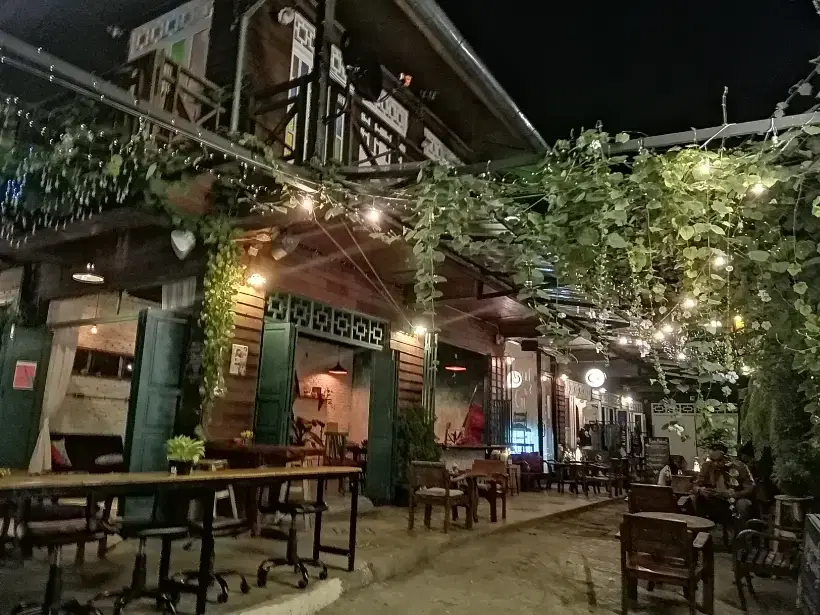

Discover the real monthly cost of living in Pai, Thailand, including accommodation, food, scooter rentals, internet, and daily expenses for backpackers, digital nomads, and first-time long-term travelers seeking affordable slow travel.
For many travelers, Pai offers one of the most affordable long-term stays in Northern Thailand. Surrounded by mountains, cafes, rice fields, and relaxed backpacker culture, Pai attracts digital nomads, slow travelers, and first-time visitors looking for a lower-cost alternative to larger cities like Chiang Mai.
A budget-conscious traveler can comfortably live in Pai for around THB 15,000–30,000 per month, while a more comfortable mid-range lifestyle may cost between THB 32,000–52,000 per month depending on accommodation standards, dining habits, and activities.
This guide breaks down realistic monthly living costs in Pai and explains where travelers can save money without sacrificing comfort.
Average Monthly Cost of Living in Pai
| Category | Budget Traveler | Mid-Range Traveler | Typical Details |
|---|---|---|---|
| Accommodation | THB 4,000–10,000 | THB 12,000–20,000 | Guesthouses, bungalows, private studios |
| Food & Drinks | THB 4,000–8,000 | THB 8,000–12,000 | Street food, cafes, restaurants |
| Scooter Rental & Fuel | THB 2,000–3,500 | THB 3,500–5,000 | Monthly scooter rental plus fuel |
| Utilities & Internet | THB 1,500–3,000 | THB 3,000–5,000 | Electricity, water, mobile data |
| Activities & Entertainment | THB 3,000–6,000 | THB 6,000–10,000 | Hot springs, yoga, cafes, tours |
| Total Estimated Cost | THB 15,000–30,000 | THB 32,000–52,000 | Depending on lifestyle |
For comparison, THB 15,000 is approximately USD 430, while THB 30,000 is roughly USD 860 based on recent exchange rates.
Accommodation Costs in Pai
Accommodation is usually the largest monthly expense, but Pai remains relatively affordable compared with many other digital nomad destinations in Southeast Asia.
Budget travelers can often find:
- Basic guesthouse rooms from THB 4,000–6,000 per month
- Bamboo bungalows from THB 5,000–8,000
- Fan rooms with shared bathrooms for even less during low season
Mid-range travelers typically spend:
- THB 12,000–20,000 for private apartments or modern bungalows
- Additional costs for air conditioning and electricity usage
Many landlords offer discounted monthly rates, especially during the green season from May to October.
Areas slightly outside Pai Walking Street are usually quieter and more affordable while still remaining accessible by scooter or bicycle.
Food Costs in Pai
Food expenses in Pai vary greatly depending on how often travelers eat local Thai meals versus Western cafe food.
Typical daily food prices include:
- Thai street food meal: THB 60–120
- Market snacks and fruit smoothies: THB 40–80
- Western breakfast or brunch: THB 150–300
- Coffee at specialty cafes: THB 60–120
A traveler eating mostly local food can comfortably spend around THB 4,000–6,000 per month. Those frequently visiting cafes and international restaurants may spend closer to THB 10,000–12,000 monthly.
Pai’s night market remains one of the best places to eat affordably while trying Northern Thai dishes and vegetarian options.
Scooter Rental and Transportation Costs
Most residents and long-term travelers use scooters to get around Pai and nearby attractions.
Average monthly costs include:
- Scooter rental: THB 2,000–3,000 per month
- Fuel: THB 300–800 monthly depending on usage
- Helmet and basic maintenance are often included
Travelers staying near Pai Walking Street may walk regularly and spend less on transportation.
Road conditions around Pai include steep curves and mountain roads, so travelers without riding experience should exercise caution, particularly during rainy season.
Internet and Utility Expenses
Internet quality in Pai has improved significantly in recent years, making the town increasingly popular with remote workers.
Typical monthly costs include:
- Mobile data package: THB 300–600
- Electricity: THB 500–2,000 depending on air conditioning usage
- Water: THB 100–300
Many guesthouses and apartments already include Wi-Fi in the monthly rent.
Several cafes and coworking-friendly spaces also provide reliable internet suitable for remote work.
Entertainment and Lifestyle Costs
Pai’s relaxed atmosphere encourages a slower pace of travel, but entertainment expenses can still add up.
Common activities include:
- Yoga classes: THB 250–500 per session
- Hot spring visits: THB 100–300
- Live music venues and cafes
- Day trips to waterfalls, canyons, and viewpoints
Budget-conscious travelers who focus on nature activities can keep entertainment costs relatively low.
Best Ways to Save Money in Pai
First-time visitors can reduce monthly expenses significantly by following a few practical strategies:
- Rent accommodation monthly instead of nightly
- Stay outside the busiest tourist area
- Eat local Thai food regularly
- Use a scooter efficiently instead of booking frequent tours
- Travel during shoulder or green season
- Negotiate long-stay bungalow prices directly with owners
Long-term travelers often find that Pai becomes considerably cheaper after the first week once they establish local routines.
Is Pai Expensive for Digital Nomads?
Compared with many popular digital nomad destinations worldwide, Pai remains relatively affordable.
However, costs have gradually increased due to growing tourism and remote work popularity. Travelers who frequently visit specialty cafes, coworking spaces, and Western restaurants may spend far more than expected.
For most backpackers and budget-conscious remote workers, Pai still offers strong value for money, especially when compared with larger cities or island destinations in Thailand.
Final Thoughts
Pai continues to attract travelers seeking affordable long-term living, mountain scenery, and a relaxed lifestyle in Northern Thailand. A monthly budget of THB 15,000–30,000 is realistic for most backpackers and budget digital nomads, while travelers seeking additional comfort should expect higher monthly costs.
For first-time visitors, Pai offers an accessible introduction to slow travel in Thailand without requiring a large budget. Careful accommodation choices and local dining habits can make a significant difference in overall monthly spending.
FAQs
1. How much money do you need to live in Pai for one month?
Most budget travelers spend between THB 15,000–30,000 per month, depending on accommodation and lifestyle choices.
2. Is Pai cheaper than Chiang Mai?
Yes. Accommodation and daily expenses in Pai are often slightly lower than in Chiang Mai, especially for long-term stays.
3. Can digital nomads work remotely from Pai?
Yes. Many cafes and accommodations offer reliable Wi-Fi, and Pai has become increasingly popular among remote workers.
4. What is the cheapest type of accommodation in Pai?
Basic guesthouses, bamboo huts, and fan rooms with shared bathrooms are usually the cheapest options.
5. How much does scooter rental cost in Pai?
Monthly scooter rentals generally cost around THB 2,000–3,000 excluding fuel.
6. Is Pai suitable for first-time travelers to Thailand?
Yes. Pai is considered beginner-friendly due to its relaxed atmosphere, walkable center, and affordable living costs.
7. What is the best season for cheaper prices in Pai?
The green season from May to October often offers lower accommodation rates and fewer tourists.
8. Are utilities usually included in monthly rent?
Some guesthouses include utilities and Wi-Fi, while private apartments may charge separately for electricity and water.
9. Can you live in Pai without renting a scooter?
Yes, if staying near the center of town. However, scooters provide easier access to waterfalls, viewpoints, and surrounding countryside.
10. Is Pai still budget-friendly in 2026?
Yes. While prices have increased slightly in recent years, Pai remains one of the more affordable long-term destinations in Thailand.
For a Complete Travel Guide
For more detailed information on transportation options, booking tips, itinerary suggestions, and everything you need to know about planning your trip, visit our full guide:
