
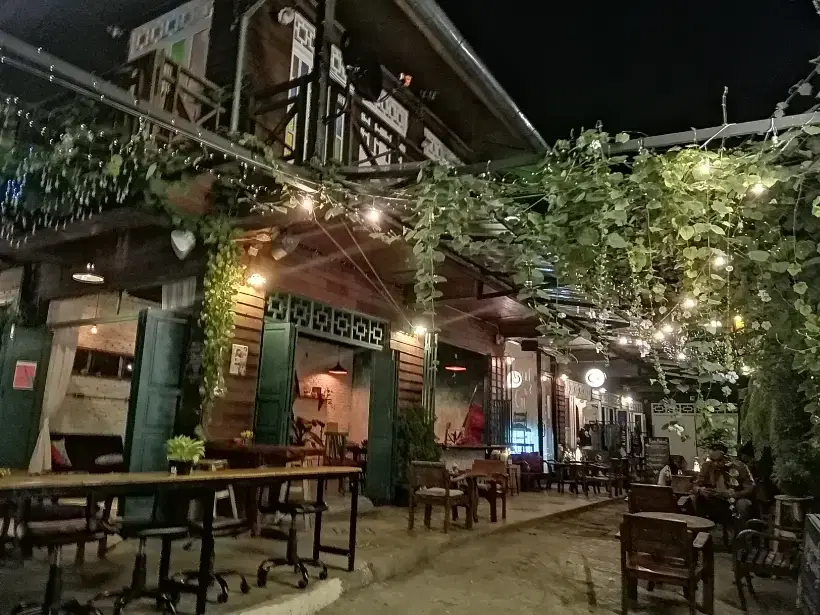

Pai has transformed from a quiet mountain village into one of Northern Thailand’s busiest tourism hubs, reshaping local culture, nightlife, housing, and community life while attracting backpackers, digital nomads, and long-stay travelers.
Once known as a quiet mountain stop in Northern Thailand, Pai has gradually transformed into one of the country’s most recognizable backpacker and lifestyle tourism destinations. Over several decades, tourism reshaped the town’s economy, culture, housing, nightlife, and public spaces. Today, Pai attracts travelers from around the world seeking mountain scenery, cafés, nightlife, motorbike routes, and a slower pace of life — but that popularity has also brought visible challenges.
For first-time visitors, understanding how Pai evolved helps explain why the town feels both charming and heavily tourism-driven at the same time.
Pai Before Tourism
Located in the mountains of Mae Hong Son Province, Pai was historically a small rural town surrounded by farmland and Shan communities. For many years, it mainly served as a resting point for travelers and traders moving through Northern Thailand.
Before tourism expanded, Pai was known for:
- Quiet local markets
- Wooden shop houses
- Agricultural livelihoods
- A relaxed riverside atmosphere
- Limited nightlife and small-scale guesthouses
The town’s remote location and winding mountain roads kept visitor numbers relatively low for decades.
The Early Backpacker Era (1970s–1980s)
Pai first began attracting international travelers during the 1970s, particularly hikers and backpackers exploring Northern Thailand. Many visitors used Pai as a base for:
- Mountain trekking
- Visits to hill tribe villages
- River exploration
- Long overland travel routes through Northern Thailand
By the 1980s, Pai had developed a reputation as a laid-back “hippie” destination. Budget guesthouses, simple bamboo bungalows, and small cafés started appearing around the town center.
At this stage, tourism remained relatively low-impact because:
- Visitor numbers were still limited
- Most businesses were locally owned
- Development was small-scale
- Travelers stayed for nature and simplicity rather than nightlife
Pai’s identity during this period centered on peace, scenery, and slow travel.
The 2000s Tourism Boom
Pai changed dramatically during the 2000s.
One major turning point came after the release of the Thai romantic film Pai in Love in 2005, which helped popularize the town among domestic Thai tourists. Social media and travel blogs later expanded Pai’s visibility internationally.
During this period:
- New cafés and boutique resorts opened rapidly
- Tourism businesses expanded along Walking Street
- Motorbike tourism became more popular
- The nightlife scene grew significantly
- Land prices increased
- Visitor numbers rose sharply during peak season
Pai increasingly shifted from a backpacker stopover into a mainstream tourism destination.
Modern Pai: Café Culture, Nightlife, and Long-Stay Travelers
Today, Pai is known for a combination of:
- Café culture
- Hostels and co-working spaces
- Live music venues
- Tubing and social events
- Motorbike loops
- Waterfall and canyon excursions
- Yoga retreats and wellness tourism
Many travelers now stay far longer than originally planned due to:
- Affordable living costs
- Relaxed atmosphere
- Strong social scene
- Scenic mountain environment
- Remote-work friendly cafés and accommodations
Typical daily traveler costs in Pai can still remain relatively affordable:
| Expense | Average Cost |
|---|---|
| Street food meal | THB 50–120 |
| Café coffee | THB 60–120 |
| Hostel dorm bed | THB 250–500 |
| Budget guesthouse | THB 600–1,500 |
| Motorbike rental | THB 100–250 per day |
This affordability continues to attract backpackers, digital nomads, and long-term travelers.
How Tourism Changed Pai’s Economy
Tourism significantly reshaped Pai’s local economy.
Positive economic changes include:
- More employment opportunities
- Growth in hospitality businesses
- Increased income from tourism services
- Expansion of restaurants, cafés, and accommodation
- Better access to international products and services
Today, much of Pai’s economy depends directly or indirectly on tourism spending.
However, this shift also created dependence on seasonal visitor numbers. During low season or global travel disruptions, many local businesses face financial pressure.
Cultural and Social Changes
As tourism expanded, Pai’s social environment changed noticeably.
Several reports and local discussions describe:
- Traditional residential areas becoming tourism zones
- Local families moving farther from the town center
- Rising land and rental prices
- Increased commercialization of public spaces
- Growing tension between local lifestyles and visitor behavior
Some residents express concern that Pai’s original identity has gradually weakened as businesses increasingly cater to international tourism trends rather than local culture.
Common concerns include:
- Loud nightlife
- Public intoxication
- Traffic congestion from motorbikes
- Waste management pressure
- Cultural misunderstandings between visitors and locals
These issues are not unique to Pai, but they are especially visible because the town itself remains relatively small.
Why Pai Feels Different Today
Many returning travelers say Pai feels very different compared to 10 or 20 years ago.
Several factors contribute to this feeling:
Increased Commercial Development
The town center now contains:
- Larger nightlife venues
- International restaurants
- Trend-focused cafés
- Social media-oriented businesses
- Expanded tourism infrastructure
Higher Visitor Density
During peak season, Walking Street and surrounding roads can become crowded with:
- Backpackers
- Tour groups
- Motorbike traffic
- Seasonal tourists
Shift From Transit Stop to Destination
Pai was once mainly a short stop between Chiang Mai and Mae Hong Son. Today, it functions as a destination where many travelers remain for weeks or months.
This longer-stay tourism culture has changed the town’s rhythm and business landscape.
Sustainability Challenges
Pai now faces several long-term sustainability concerns:
| Challenge | Impact |
|---|---|
| Overtourism | Crowding and strain on infrastructure |
| Housing pressure | Rising rental and land costs |
| Waste management | Increased environmental stress |
| Traffic accidents | Frequent motorbike-related injuries |
| Cultural erosion | Reduced visibility of local traditions |
| Seasonal economy | Heavy dependence on tourism |
Balancing tourism income with preservation of community identity remains one of Pai’s biggest ongoing challenges.
A Common Tourism Pattern
Pai’s transformation reflects a broader tourism cycle seen around the world:
- A quiet destination becomes discovered by independent travelers
- Word-of-mouth popularity grows
- Media exposure increases tourism demand
- Businesses adapt to visitor preferences
- Rapid commercialization changes the local atmosphere
- Questions about sustainability and authenticity emerge
In Pai, this process happened relatively quickly because the town is small and tourism became concentrated in a compact central area.
What First-Time Visitors Should Expect
First-time visitors should understand that Pai today is a mix of:
- Scenic mountain landscapes
- Relaxed cafés and creative spaces
- Backpacker culture
- Busy nightlife
- Tourist-focused businesses
- Local communities adapting to rapid change
Travelers looking for complete isolation may find Pai busier than expected, especially during high season from November to February.
However, visitors who explore beyond Walking Street often still find:
- Quiet rice fields
- Small villages
- Mountain viewpoints
- Hot springs
- Peaceful countryside scenery
Pai’s appeal today lies in this contrast between tourism energy and surrounding natural calm.
Conclusion
Pai’s evolution from a quiet mountain town into a major tourism destination reflects both the opportunities and pressures created by modern travel. Tourism brought economic growth, international attention, and new lifestyles to the area, but it also reshaped local culture, housing, nightlife, and community life.
For first-time visitors, understanding this transformation offers valuable context before arriving. Pai is no longer simply an undiscovered backpacker stop — it is now a complex tourism town balancing popularity with questions about sustainability, identity, and long-term preservation.
Those who visit with awareness and respect for the local community can still experience much of the natural beauty and relaxed atmosphere that originally made Pai famous.
FAQs
1. Why did Pai become so popular with tourists?
Pai became popular through backpacker travel routes, mountain scenery, relaxed lifestyle culture, and later increased exposure from films, travel blogs, and social media.
2. When did tourism start growing in Pai?
Tourism began growing during the 1970s with trekkers and backpackers, then expanded rapidly during the 2000s.
3. Is Pai still considered a backpacker destination?
Yes. Pai remains popular with backpackers, although it now also attracts digital nomads, domestic tourists, and long-stay international travelers.
4. Why do some travelers say Pai feels different now?
Many returning visitors notice more commercial development, nightlife, traffic, and tourism-focused businesses compared to the quieter Pai of previous decades.
5. What are the biggest tourism challenges in Pai?
Common concerns include overcrowding, waste management, rising housing costs, motorbike accidents, and pressure on local culture.
6. Is Pai expensive for travelers?
Pai is still relatively affordable compared to many international destinations. Budget travelers can often manage daily expenses between THB 700–1,500 depending on accommodation and activities.
7. What type of tourists visit Pai today?
Pai attracts backpackers, couples, café-focused travelers, remote workers, motorbike tourists, and wellness travelers.
8. Does Pai still have quiet areas?
Yes. While the town center can become busy, quieter areas remain outside Walking Street and the main nightlife zones.
9. What is the best season to visit Pai?
The cool season from November to February is the most popular due to comfortable temperatures and clear weather.
10. Can responsible tourism help Pai?
Yes. Supporting local businesses, respecting community spaces, reducing waste, and driving carefully can help reduce tourism pressure on the town.
For a Complete Travel Guide
For more detailed information on transportation options, booking tips, itinerary suggestions, and everything you need to know about planning your trip, visit our full guide:
