
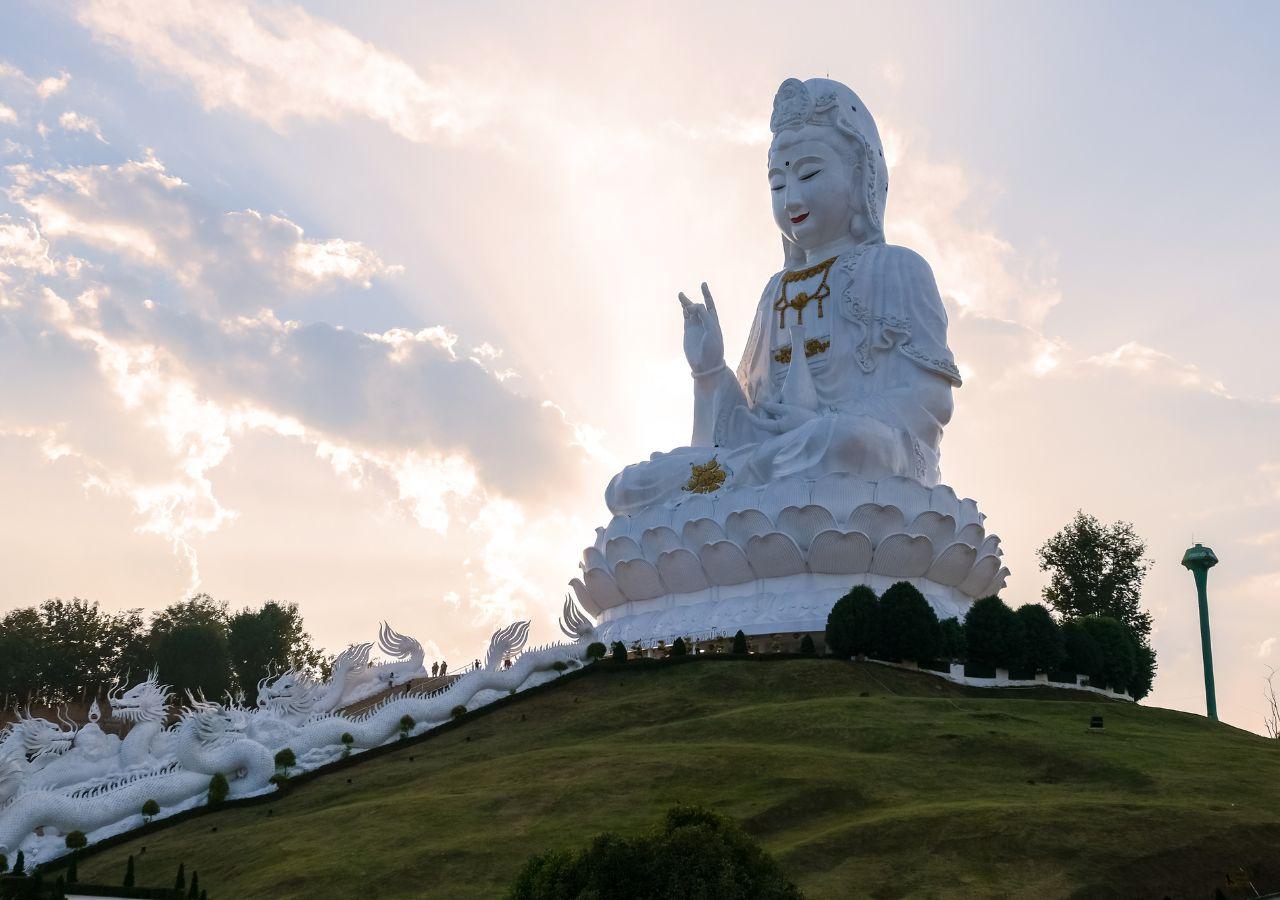

Discover practical sustainable travel tips for Northern Thailand, including Chiang Mai, Pai, and Chiang Rai. Learn how to travel responsibly, support local communities, reduce waste, and enjoy ethical, low-impact experiences.
Northern Thailand offers a slower, more immersive style of travel compared to the country’s beach destinations and major cities. From the mountain roads around Chiang Mai and Pai to the temples and countryside near Chiang Rai, the region rewards travelers who move thoughtfully, support local communities, and minimize environmental impact.
For first-time visitors, sustainable travel here is less about strict rules and more about making practical choices: staying longer in fewer places, choosing locally owned businesses, respecting nature, and avoiding exploitative tourism activities.
Why Sustainable Travel Matters in Northern Thailand
Tourism plays a major role in Northern Thailand’s economy, but rapid growth has also increased pressure on mountain ecosystems, small villages, waste systems, and wildlife attractions. Popular destinations can experience overcrowding during peak season, especially between November and February.
Traveling responsibly helps preserve the region’s forests, cultural traditions, and local livelihoods while also creating a more meaningful experience for visitors.
A simple approach works well throughout the region:
- Travel slowly
- Spend locally
- Reduce waste
- Respect local culture
- Choose low-impact activities
Travel More Slowly and Stay Longer
One of the easiest ways to reduce your travel footprint is to avoid rushing between multiple destinations in a short time.
Instead of visiting five towns in one week, consider spending several days in each location. This reduces transportation emissions and allows more of your travel budget to stay within local communities.
Suggested slower-travel routes include:
| Route | Recommended Stay |
|---|---|
| Chiang Mai → Pai | 3–4 nights each |
| Chiang Rai → Golden Triangle area | 2–3 nights |
| Mae Hong Son Loop | 5–7 days minimum |
| Rural mountain villages | 2 nights or longer |
Longer stays also give travelers time to explore local cafés, markets, walking trails, and cultural experiences beyond the typical tourist schedule.
Sustainable Transportation Options
Northern Thailand’s mountainous geography often requires long-distance travel, but there are still ways to reduce environmental impact.
Better Transportation Choices
- Use trains for longer intercity journeys when possible
- Choose buses or shared vans instead of private transfers
- Walk or cycle for short distances in cities
- Use local songthaews (shared pickup taxis) where available
- Combine nearby attractions into one trip instead of multiple separate journeys
Typical Transportation Costs
| Transportation Type | Estimated Cost |
|---|---|
| Local songthaew ride | THB 30–100 |
| Shared minivan between cities | THB 150–400 |
| Long-distance bus | THB 250–800 |
| Bicycle rental | THB 50–150 per day |
| Scooter rental | THB 200–350 per day |
In compact areas such as Chiang Mai Old City, many attractions, cafés, and temples are easily reachable on foot.
Choosing Eco-Friendly Accommodation
Accommodation choices can directly affect local communities and environmental sustainability.
Many guesthouses and boutique stays in Northern Thailand now focus on reducing waste, conserving water, supporting local employment, and sourcing food locally.
When booking accommodation, look for properties that:
- Hire local staff
- Reduce single-use plastics
- Offer refill water stations
- Use energy-efficient systems
- Support nearby farms or artisans
- Operate on a smaller, community-focused scale
Staying slightly outside the busiest tourist districts can also reduce overcrowding while offering a quieter and more authentic experience.
Support Local Restaurants and Markets
Northern Thailand’s food culture is one of the region’s highlights, and eating locally is one of the most effective ways to support communities directly.
Instead of relying only on tourist-oriented cafés or international chains, try family-run restaurants, local markets, and regional specialty shops.
Northern Thai Dishes Worth Trying
| Dish | Description |
|---|---|
| Khao Soi | Coconut curry noodle soup |
| Sai Ua | Northern Thai herb sausage |
| Nam Prik Noom | Roasted green chili dip |
| Gaeng Hang Lay | Northern-style pork curry |
| Sticky Rice | Common regional staple |
Local food markets also typically generate less packaging waste compared to heavily commercialized dining areas.
Reduce Plastic Waste
Carry a few reusable items during your trip:
- Refillable water bottle
- Reusable shopping bag
- Metal or bamboo straw
- Small reusable food container
Many cafés and accommodations now provide refill stations for drinking water.
Respect Nature and National Parks
Northern Thailand’s forests, mountains, waterfalls, and caves are environmentally sensitive areas. Popular destinations can experience erosion and waste problems during busy seasons.
Responsible Nature Travel Tips
- Stay on marked hiking trails
- Avoid littering in forests and parks
- Visit early morning or quieter hours
- Avoid loud music in natural areas
- Do not feed wildlife
- Use reef-safe or eco-friendly toiletries when swimming near rivers or waterfalls
Popular mountain areas around Pai and Chiang Mai are especially vulnerable during peak tourism months.
Best Seasons for Nature Travel
| Season | Conditions |
|---|---|
| May–September | Green landscapes, fewer crowds, occasional heavy rain |
| November–February | Cool weather, busiest tourism season |
| February–April | Burning season with possible poor air quality |
Travelers sensitive to smoke or pollution should monitor air quality carefully during burning season.
Temple Etiquette and Cultural Respect
Northern Thailand is deeply connected to Buddhist traditions, and many temples remain active spiritual spaces rather than tourist attractions alone.
When visiting temples:
- Dress modestly
- Cover shoulders and knees
- Remove shoes before entering temple buildings
- Keep voices quiet
- Avoid touching monks unless invited appropriately
- Ask permission before photographing people during ceremonies
Forest temples and mountain temples often have additional rules intended to protect quiet surroundings and local customs.
Ethical Animal Tourism
Animal welfare remains one of the most important sustainability issues in Thailand tourism.
Travelers should avoid:
- Elephant riding camps
- Chained wildlife attractions
- Animal performances
- Attractions where animals appear stressed or heavily controlled
Instead, look for observation-focused experiences that prioritize animal welfare, rehabilitation, and education.
Signs of More Ethical Wildlife Experiences
- No riding or performances
- Animals can move freely
- Visitor numbers are controlled
- Educational focus rather than entertainment
- Transparent conservation practices
If an attraction appears designed mainly for tourist photos at the expense of animal wellbeing, it is usually best avoided.
Support Local Communities Directly
Tourism spending has the greatest positive impact when money stays within local communities.
Good ways to support Northern Thai communities include:
- Buying handmade crafts from local artisans
- Hiring local trekking guides
- Visiting community-run cultural projects
- Shopping at village markets
- Staying in family-run guesthouses
- Participating in community-based workshops
Popular locally made products include:
- Handwoven textiles
- Ceramics
- Silverwork
- Natural soaps
- Hill tribe handicrafts
- Locally grown tea and coffee
Responsible Travel During Peak Season
Northern Thailand becomes especially busy from November through February due to cooler temperatures and holiday travel.
During peak season:
- Book accommodations early
- Visit attractions early in the morning
- Avoid overcrowded itineraries
- Explore lesser-known neighborhoods and villages
- Travel midweek when possible
Traveling during the green season from May to September can also provide a quieter and more sustainable experience with lush scenery and lower tourist pressure.
Final Thoughts
Sustainable travel in Northern Thailand does not require sacrificing comfort or memorable experiences. In many cases, slower and more responsible travel leads to a deeper connection with the region’s landscapes, food culture, and local communities.
By choosing local businesses, reducing waste, respecting wildlife, and traveling thoughtfully, visitors can help preserve Northern Thailand’s unique character while enjoying a more rewarding journey.
The most meaningful trips in Northern Thailand are often the ones that move slowly and leave a lighter footprint.
FAQs
1. What is the most sustainable way to travel around Northern Thailand?
Using trains, public buses, shared vans, cycling, and walking are generally the most sustainable transportation options. Staying longer in fewer destinations also helps reduce environmental impact.
2. Is Northern Thailand good for eco-friendly travel?
Yes. Northern Thailand is well suited for sustainable travel because many areas focus on community tourism, local food culture, nature-based experiences, and small independent accommodations.
3. When is the best season for sustainable travel in Northern Thailand?
The green season from May to September is often considered a good period for lower-impact travel because there are fewer crowds and lush natural scenery.
4. Should travelers avoid Northern Thailand during burning season?
Travelers should be cautious between February and April, as agricultural burning can significantly affect air quality in Chiang Mai, Pai, and surrounding mountain regions.
5. Are elephant sanctuaries ethical in Northern Thailand?
Some are more ethical than others. Travelers should avoid places offering elephant riding or performances and choose observation-focused sanctuaries with strong welfare practices.
6. How much should travelers budget for local transportation?
Local transportation costs are generally affordable. Budget travelers may spend around THB 100–500 per day depending on travel distance and transportation type.
7. Is it easy to reduce plastic waste while traveling in Northern Thailand?
Yes. Many cafés, guesthouses, and restaurants now support refillable bottles and reusable containers, especially in Chiang Mai and Pai.
8. What are the best local foods to try in Northern Thailand?
Popular Northern Thai dishes include khao soi, sai ua, nam prik noom, sticky rice, and gaeng hang lay.
9. Are community-based tours available in Northern Thailand?
Yes. Many villages and local organizations offer guided hikes, craft workshops, farm visits, and cultural experiences that directly support local communities.
10. How can first-time visitors travel more responsibly in Northern Thailand?
Travel slowly, support locally owned businesses, avoid exploitative animal tourism, reduce waste, and respect local customs and natural areas.
For a Complete Travel Guide
For more detailed information on transportation options, booking tips, itinerary suggestions, and everything you need to know about planning your trip, visit our full guide:
