
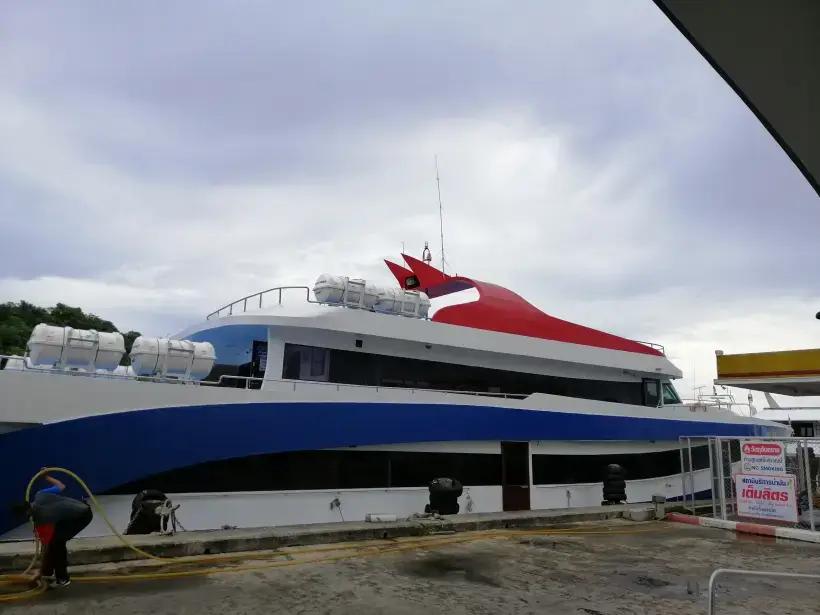

Island ferries in Thailand have strict baggage limits and safety rules. Learn how much luggage you can bring, check-in procedures, marine park fees, and essential travel tips for smooth island transfers.
Traveling between Thailand’s islands—such as the route from Pak Bara Pier to Koh Lipe or between Koh Phi Phi and Phuket—is one of the highlights of visiting the Andaman coast. However, ferry and speedboat operators follow specific safety regulations, baggage limits, and boarding procedures that first-time travelers should understand before departure.
Because vessels vary in size—from large passenger ferries to compact high-speed boats—rules are designed to maintain stability, manage space efficiently, and ensure passenger safety. The following guide explains the most important policies travelers should expect when using Thailand’s island ferry routes.
Baggage Limits on Island Ferries and Speedboats
Luggage rules differ depending on the type of vessel operating the route.
1. Standard Allowance
Most operators allow a modest amount of baggage per passenger to ensure safety and balance on board.
Typical allowance includes:
- 1 checked suitcase (usually under 18–24 inches)
- 1 carry-on bag or backpack
- Total weight limit: approximately 20–30 kg per passenger
Example guidelines commonly used by speedboat companies:
| Item | Typical Limit |
|---|---|
| Checked luggage | Up to 20–30 kg |
| Carry-on bag | 1 small personal bag |
| Suitcase size | Usually 18–24 inches |
Speedboats often enforce these limits more strictly than larger ferries because cargo space is limited and excess weight can affect vessel stability.
2. Additional or Oversized Luggage
Passengers traveling with extra bags may need to pay additional fees.
Common surcharges include:
- THB 100–200 per extra bag
- Additional fees for oversized luggage or equipment
- Special handling charges for items such as:
- Surfboards
- Bicycles
- Large sporting gear
Many operators do not permit pets or bulky equipment unless special arrangements are made in advance.
3. Packing Tips for Island Transfers
Island transfers often involve boarding from floating pontoons or shallow beaches, particularly on smaller islands.
Recommended packing strategies:
- Use lightweight, waterproof luggage
- Avoid large rigid suitcases when possible
- Label all bags clearly with your name and contact details
- Pack essential items (passport, medication, electronics) in a carry-on bag
Crew members typically assist with loading luggage, but passengers should always confirm their bags are placed on the correct vessel.
Safety Rules for Ferry and Speedboat Travel
The Andaman Sea can experience choppy conditions, particularly during transitions between seasons. For this reason, safety rules are strictly enforced.
Mandatory Life Jackets
Passengers are normally required to wear a life jacket throughout the journey.
Important guidelines include:
- Ensure the jacket fits properly and is securely fastened
- Straps should pass under the arms and around the torso
- Keep the life jacket on until the crew indicates it is safe to remove
Onboard Conduct
To maintain stability and safety, passengers should follow standard onboard instructions:
- Remain seated while the vessel is moving
- Hold railings when boarding or moving around
- Avoid standing or walking unnecessarily during rough seas
- Do not block aisles or emergency equipment
Traveling with Children
Families traveling with children should take extra precautions:
- Children should wear properly sized life jackets
- Parents should supervise children at all times
- Consider motion sickness medication before departure if seas are rough
Licensed operators in Thailand are required to follow marine department safety checks, including weather monitoring before departure.
Ferry Check-In Procedures
Arrival and boarding procedures at Thai island piers are generally straightforward but require some preparation.
Recommended Arrival Time
Passengers should arrive 30–60 minutes before departure.
This allows time for:
- Ticket verification
- Boarding pass issuance
- Luggage handling
- Safety briefing
Busy piers such as Pak Bara Pier or Tonsai Pier can become crowded during peak travel months.
Documents Required
Travelers typically need to present:
- Passport or government ID
- Printed or digital ticket confirmation
Some island destinations also require national park or environmental fees.
Typical examples include:
- Marine park fee: approximately THB 200–300 per person
These fees are normally collected at the pier or upon arrival.
Cross-Border Routes
For routes connecting Thailand with nearby countries—such as travel between Langkawi and Koh Lipe—passengers must also complete:
- Immigration checks
- Passport stamping
- Ticket validation prior to boarding
Extra processing time should be expected for these international ferry routes.
Weather Delays and Ferry Cancellations
Weather conditions play an important role in maritime travel across the Andaman Sea.
When Cancellations Occur
Ferry or speedboat services may be delayed or canceled due to:
- Strong winds
- Heavy rain
- Rough sea conditions
While cancellations are less common during the dry season (November–April), operators still conduct weather safety checks before each departure.
What Travelers Should Do
If services are suspended due to weather:
- Wait for the next available sailing once conditions improve
- Contact the ferry operator for rebooking options
- Monitor local marine forecasts before travel day
Planning an extra buffer day when traveling between islands can reduce stress if schedules change unexpectedly.
Key Tips for First-Time Travelers
For visitors unfamiliar with Thailand’s island ferry system, the following tips can help ensure a smoother journey:
- Travel with manageable luggage under 30 kg
- Arrive early to complete check-in procedures
- Always follow crew safety instructions
- Pack seasickness medication if sensitive to boat motion
- Keep valuables and travel documents in your carry-on bag
Island transfers are generally safe and well organized, but understanding these rules beforehand helps avoid last-minute surprises at the pier.
FAQs: Ferry Rules and Baggage Limits in Thailand
1. What is the standard baggage limit on ferries and speedboats in Thailand?
Most operators allow 20–30 kg of luggage per passenger, typically consisting of one suitcase and one carry-on bag.
2. Are baggage rules stricter on speedboats than on ferries?
Yes. Speedboats usually enforce stricter limits because of limited storage space and vessel weight restrictions.
3. Can I bring large suitcases on island ferries?
Yes, but suitcases are generally recommended to be under 24 inches. Larger luggage may incur additional charges.
4. How much does extra luggage usually cost?
Extra bags typically cost THB 100–200 per item, depending on the operator and route.
5. Are pets allowed on ferries or speedboats?
Many operators do not permit pets on standard passenger services unless special arrangements are made in advance.
6. Do passengers have to wear life jackets?
Yes. On most speedboats, passengers must wear life jackets throughout the journey for safety.
7. How early should I arrive at the pier?
Travelers should arrive 30–60 minutes before departure to complete check-in and boarding procedures.
8. Are there additional island or marine park fees?
Some islands require environmental or national park fees of around THB 200–300 per person.
9. What happens if a ferry is canceled due to bad weather?
Services may be delayed or rescheduled until sea conditions improve. Operators usually assist passengers with alternative departures.
10. What is the best way to prepare for ferry travel in Thailand?
Pack light, arrive early, secure valuables in your carry-on, and follow all safety instructions provided by the crew.
For a Complete Travel Guide
For more detailed information on transportation options, booking tips, itinerary suggestions, and everything you need to know about planning your trip, visit our full guide:
