
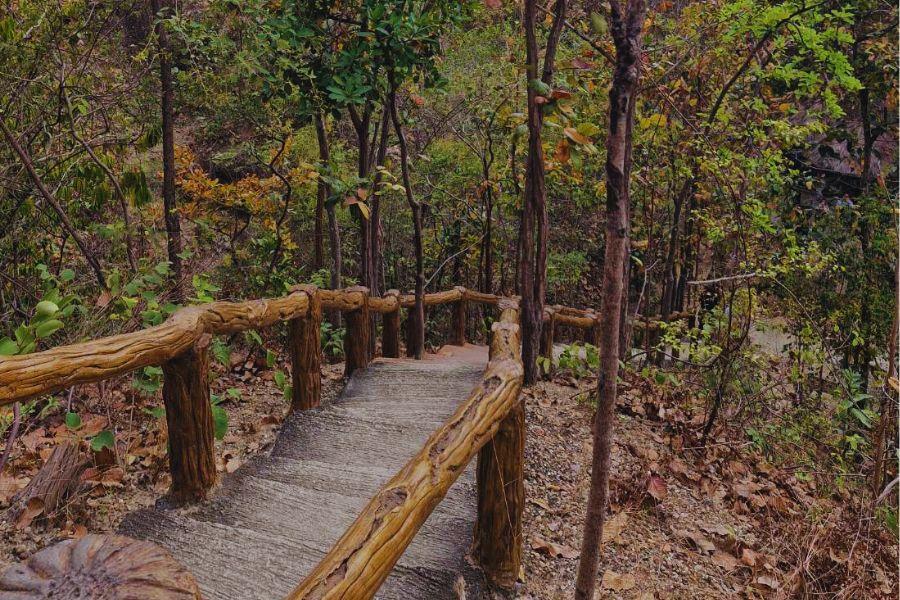

The 762-curve journey from Chiang Mai to Pai delivers dramatic mountain scenery alongside relentless twists, making it both exhilarating and challenging, especially for travelers prone to motion sickness.
The journey from Chiang Mai to Pai along Route 1095 is one of northern Thailand’s most talked-about travel experiences. Covering approximately 135 km, this mountain road is defined by its 762 sharp curves, dramatic elevation changes, and panoramic jungle scenery.
For first-time visitors, the trip can feel like a paradox—simultaneously breathtaking and physically demanding. Understanding what to expect is essential for planning a comfortable and enjoyable journey.
Overview of Route 1095
| Key Detail | Information |
|---|---|
| Distance | ~135 km |
| Travel Time | 3–4 hours |
| Number of Curves | 762 |
| Elevation Range | ~300 m to 1,200 m |
| Typical Minibus Fare | THB 150 |
The road is fully paved and generally well-maintained as of 2026, with guardrails installed in most high-risk sections. However, narrow lanes, blind corners, and frequent minibus traffic require constant attention.
What the Journey Feels Like
1. A Continuous Series of Hairpin Turns
The defining feature of this route is its relentless sequence of tight bends and U-turns. Unlike typical mountain drives with occasional curves, Route 1095 offers non-stop directional changes that can feel like an extended rollercoaster.
- Sudden turns demand frequent braking and acceleration
- Passengers often experience repeated lateral motion
- Drivers must maintain full concentration throughout
2. Noticeable Elevation Changes
The road climbs from lowland areas into cooler mountain terrain:
- Start: ~300 meters above sea level
- Peak sections: up to ~1,200 meters
As you ascend, expect:
- Cooler temperatures
- Occasional fog or mist
- Expansive views of forested valleys
These scenic moments provide brief relief from the intensity of the road.
3. Different Experiences by Transport Type
Minibus (Most Common Option)
- Travel time: 3–4 hours
- Cost: THB 150
- Experience:
- Quick but often jerky and tightly packed
- Frequent acceleration and braking intensify motion sickness
- Vomit bags are commonly provided onboard
Scooter or Motorbike
- Recommended engine size: 150cc or higher
- Experience:
- Greater freedom to stop at viewpoints
- Requires strong riding skills and endurance
- Steep inclines and sharp turns demand constant focus
Private Car
- Experience:
- Most comfortable option
- Allows flexible stops and smoother driving pace
- Ideal for travelers prone to motion sickness
Common Traveler Challenges
Motion Sickness
This is the most frequently reported issue.
- Symptoms: dizziness, nausea, headaches
- Often begins within the first hour
- More severe in minibuses due to limited visibility and airflow
Physical Fatigue
- Continuous turning leads to mental and physical strain
- Scooter riders report hand, shoulder, and back fatigue
- Drivers must remain alert for the entire journey
Road Conditions & Traffic
- Generally smooth pavement
- Narrow sections in mountainous areas
- Regular traffic from minibuses and local vehicles
Practical Tips for a Smoother Journey
Before Departure
- Take motion sickness medication 30 minutes in advance
- Avoid heavy meals
- Stay hydrated but do not overconsume liquids
During the Journey
- Sit in the front seat (best for visibility and stability)
- Focus on the horizon rather than screens
- Use acupressure bands or ginger remedies if helpful
For Scooter Riders
- Ensure full fuel before departure
- Maintain left-lane discipline
- Avoid overtaking on blind curves
- Take regular breaks at viewpoints
Is It Worth It?
Despite the physical challenges, many travelers describe arriving in Pai as a rewarding milestone. The contrast between the demanding journey and Pai’s relaxed atmosphere creates a strong sense of accomplishment.
The experience is not universally enjoyable—but with preparation, it can shift from a difficult ride to a memorable part of your northern Thailand itinerary.
FAQs: 762 Curves to Pai
- How long does it take to travel from Chiang Mai to Pai?
Typically 3 to 4 hours, depending on traffic and stops. - How much does a minibus cost?
Standard fares are around THB 150. - Is the road dangerous?
The road is paved and maintained, but sharp curves and narrow sections require caution. - Do all travelers experience motion sickness?
Not everyone, but it is very common, especially in minibuses. - What is the best seat in a minibus?
The front passenger seat offers the least motion discomfort. - Is it safe to ride a scooter to Pai?
Yes, for experienced riders. A 150cc or larger bike is recommended. - Are there rest stops along the way?
Yes, several viewpoints and small shops allow short breaks. - What time of day is best to travel?
Morning departures typically offer cooler temperatures and clearer visibility. - Can children or elderly travelers handle the journey?
Yes, but extra preparation for motion sickness is strongly advised. - Is hiring a private car worth it?
For comfort and flexibility, especially for sensitive travelers, it is often the best option.
For a Complete Travel Guide
For more detailed information on transportation options, booking tips, itinerary suggestions, and everything you need to know about planning your trip, visit our full guide:
